
Porter Cable 150 PSI Compressor Manual: A Comprehensive Guide
This manual details the operation, maintenance, and troubleshooting of your Porter Cable 150 PSI compressor, ensuring optimal performance and longevity.
It leverages insights from resources like the Internet Archive, focusing on models such as the C2002, and provides a masterful control experience.
Porter Cable 150 PSI compressors are renowned for their reliability and versatility, serving as essential tools for a wide array of applications – from DIY projects to professional construction. These compressors deliver substantial air power, capable of driving nail guns, impact wrenches, spray painters, and various pneumatic tools.
Understanding your compressor is paramount for safe and efficient operation. This introduction sets the stage for a comprehensive guide, covering everything from model specifics (like the popular C2002) to detailed maintenance procedures. The Internet Archive highlights the importance of preserving information, and this manual aims to do just that – providing a lasting resource for Porter Cable compressor owners.
Whether you’re a seasoned professional or a first-time user, this guide will empower you to maximize the performance and lifespan of your 150 PSI compressor, ensuring it remains a dependable asset for years to come.
Understanding Compressor Models (C2002 & Similar)
Porter Cable offers a range of 150 PSI compressors, with the C2002 being a particularly popular and widely used model. Similar models, like the C2002-WK, share core components and operational principles, but may include variations in accessories or features. Key distinctions often lie in tank capacity, horsepower, and the inclusion of features like wheel kits for enhanced portability.
The C2002 typically features a 6-gallon tank, providing ample air storage for various tasks. Understanding the specific model number is crucial for sourcing the correct replacement parts and accessing tailored documentation. Resources like parts diagrams, often found through online archives, are invaluable for identifying components.
This guide will primarily focus on the C2002 as a representative example, but the principles discussed apply broadly to other 150 PSI Porter Cable compressors. Recognizing these similarities streamlines maintenance and troubleshooting across the product line.
Safety Precautions & Warnings
Prioritize safety when operating your Porter Cable 150 PSI compressor. Always wear appropriate eye and ear protection to shield against debris and noise. Never operate the compressor without all safety guards and covers securely in place. Ensure the compressor is grounded to prevent electrical shock, and inspect the power cord for damage before each use.
Never exceed the maximum pressure rating of 150 PSI. Regularly inspect the tank for signs of rust or damage, and do not use a compromised tank. Avoid modifying the compressor in any way, as this could compromise its safety features. Keep the work area clean and well-ventilated, and never direct airflow towards yourself or others.

Disconnect the power supply before performing any maintenance or repairs. Allow the tank to fully depressurize before draining. Refer to the complete manual for detailed safety guidelines and warnings.

Key Components & Their Functions
Understanding the core elements—tank, pump, motor, pressure switch, and check valve—is crucial for effective operation and maintenance of your Porter Cable compressor.
The Tank: Capacity & Pressure Rating
The compressor tank is the heart of stored energy, providing a reserve of compressed air for various pneumatic tools. Porter Cable 150 PSI compressors typically feature tanks ranging in capacity from 6 to 30 gallons, influencing the duration of tool use before the motor cycles on to replenish pressure.
Crucially, the tank is engineered with a maximum pressure rating of 150 PSI; exceeding this limit poses a significant safety hazard. Regular inspection for rust, corrosion, or damage is paramount. The tank’s capacity directly impacts the air volume available for operation, while the pressure rating dictates the maximum force with which air can be delivered.
Always ensure the tank drain valve functions correctly to prevent moisture buildup, which can lead to corrosion and reduce tank lifespan. Understanding your specific model’s tank specifications, found in the manual, is vital for safe and efficient operation.
The Pump: Oil-Free vs. Oil-Lubricated
Porter Cable 150 PSI compressors utilize two primary pump types: oil-free and oil-lubricated. Oil-free pumps are favored for their lower maintenance requirements, eliminating the need for regular oil changes and reducing mess. However, they generally have a shorter lifespan and can be louder during operation due to increased friction.
Oil-lubricated pumps, conversely, employ oil to coat internal components, minimizing friction, reducing wear, and extending the pump’s overall life. They operate more quietly but necessitate periodic oil checks, changes, and proper disposal. The choice depends on usage frequency and tolerance for maintenance.
Understanding your compressor’s pump type is crucial for proper care. Refer to your model’s documentation for specific oil recommendations (if applicable) and maintenance schedules. Ignoring these guidelines can lead to premature pump failure and void the warranty.
Motor Specifications & Overload Protection
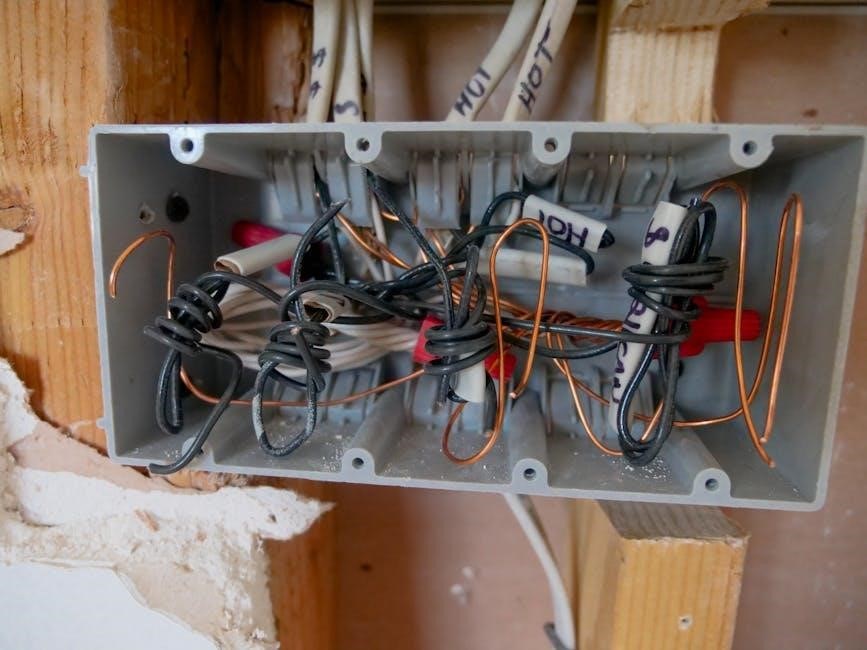
Porter Cable 150 PSI compressors are equipped with robust motors designed for reliable performance. Typical specifications include a voltage of 120V and a horsepower rating ranging from 1.5 to 2.5 HP, depending on the model. Amperage draw is a critical factor when selecting extension cords – ensure the cord’s rating exceeds the compressor’s requirements.
Crucially, these compressors incorporate overload protection. This safety feature automatically shuts off the motor if it overheats due to excessive strain or prolonged use. Repeated tripping of the overload protector indicates a potential issue, such as a blocked air filter or insufficient ventilation.
Allow the motor to cool completely before resetting the overload button, typically located near the motor housing. Ignoring this can cause further damage. Always ensure adequate airflow around the compressor to prevent overheating and maintain optimal motor function.
Pressure Switch: Operation & Adjustment
The pressure switch is the brain of your Porter Cable 150 PSI compressor, controlling when the motor starts and stops to maintain desired air pressure. It operates based on two pressure settings: cut-in and cut-out. The cut-in pressure initiates the motor when the tank pressure drops, while the cut-out pressure shuts it off when the maximum pressure is reached.
Adjustment is typically achieved via screws or knobs on the switch itself. Caution: Adjustments should only be made by qualified individuals. Increasing the cut-out pressure allows for higher maximum pressure, but also increases stress on the system. Conversely, lowering it reduces pressure but may lead to frequent motor cycling.
Always disconnect power before attempting any adjustments. Improper settings can compromise safety and damage the compressor. Regularly inspect the switch for corrosion or damage, as this can affect its functionality and potentially create a hazard.
Check Valve: Function & Maintenance
The check valve is a crucial component in your Porter Cable 150 PSI compressor, ensuring air flows in only one direction – from the pump into the tank. This prevents backflow, maintaining pressure even when the pump isn’t running. It’s typically located between the pump and the tank.
Regular maintenance is vital for optimal performance. Over time, debris and contaminants can accumulate, causing the valve to stick or leak. This results in reduced efficiency and potentially prevents the tank from reaching its maximum pressure.
Inspect the check valve periodically for signs of corrosion or damage. Cleaning can sometimes resolve minor issues, but replacement is often necessary for severely affected valves. Disconnect the power supply before any inspection or maintenance. A faulty check valve can significantly impact compressor functionality.

Operating Instructions
Proper operation involves initial setup, priming (if needed), pressure adjustments, and utilizing the quick connect coupler for efficient tool connections and airflow control;
Initial Setup & Power Connection
Before first use, carefully inspect the Porter Cable compressor for any shipping damage. Ensure all components are present, referencing the C2002 parts diagram if necessary. Position the compressor on a stable, level surface with adequate ventilation, avoiding confined spaces.
Connect the appropriate power cord – verify it matches your local voltage requirements. Never use an extension cord unless absolutely necessary, and if so, use a heavy-duty cord rated for the compressor’s amperage.
Confirm the pressure switch is in the ‘OFF’ position before plugging in the unit. Avoid accidental starting. Double-check all fittings are tight, and the drain valve is closed. The compressor is now ready for initial operation, but priming may be required depending on the model – consult the pump section for details.
Priming the Pump (If Applicable)
Not all Porter Cable 150 PSI compressors require priming; this step primarily applies to oil-lubricated models, particularly after extended periods of inactivity or initial setup. Priming ensures adequate lubrication for the pump’s internal components, preventing damage during startup.

To prime, locate the oil fill plug – typically on the pump housing. Remove the plug and slowly pour in the recommended compressor oil, ensuring it reaches the appropriate level as indicated by the dipstick.
Plug the compressor in and briefly activate it (less than 10 seconds) to circulate the oil. Repeat this process a few times, checking the oil level each time, until the pump is adequately primed. Do not run the compressor continuously during priming. Refer to the oil-lubricated pump section for specific oil type recommendations.
Adjusting Pressure & Airflow
Your Porter Cable 150 PSI compressor features adjustable pressure and airflow settings, allowing customization for various tools and applications; The pressure is controlled via the pressure switch, typically with a dial or adjustable screws. Turning the adjustment screw clockwise increases pressure, while counterclockwise decreases it.
Always ensure the compressor is disconnected from power before adjusting the pressure switch. Start with a lower pressure setting and gradually increase it until the desired level is reached. Monitor the pressure gauge to confirm accurate adjustments.
Airflow is indirectly controlled by the compressor’s output capacity and the tool’s air consumption. Using a regulator inline with your air tool allows for fine-tuning of airflow to match the tool’s requirements, optimizing performance and preventing damage.
Using the Quick Connect Coupler
The quick connect coupler on your Porter Cable 150 PSI compressor allows for rapid attachment and detachment of air hoses and tools. Before connecting, ensure the compressor is turned off and the tank has depressurized. Push the air hose firmly into the coupler until it clicks, indicating a secure connection.
To disconnect, simply pull back the coupler sleeve; this releases the pressure and allows for easy hose removal. Avoid disconnecting while the compressor is pressurized, as this can cause a burst of air and potential injury. Regularly inspect the coupler for damage or debris.
Using a high-quality air hose with compatible fittings is crucial for optimal performance and preventing leaks. Ensure the hose is rated for the compressor’s maximum pressure. Proper use extends the life of both the coupler and your air tools.

Maintenance & Troubleshooting
Regular maintenance ensures peak performance and extends the life of your Porter Cable compressor. Addressing issues promptly prevents costly repairs and downtime, maintaining operational efficiency.
Daily Maintenance Checks
Before each use, a quick inspection of your Porter Cable 150 PSI compressor is crucial for safe and efficient operation. Begin by visually examining the air hose for any cracks, abrasions, or leaks. Ensure all fittings are securely connected and tightened to prevent air loss during operation.
Check the oil level (for oil-lubricated models) using the dipstick, adding oil if necessary to maintain the proper level. Listen for any unusual noises during the initial startup, which could indicate a potential problem with the pump or motor. Verify that the pressure gauge reads accurately and that the pressure switch is functioning correctly.
Inspect the air filter for dirt and debris, cleaning or replacing it as needed to ensure adequate airflow to the pump. Finally, confirm that the drain valve is accessible and functioning properly for easy tank draining. These simple daily checks will help identify and address minor issues before they escalate into major repairs.
Draining the Tank: Importance & Procedure
Regularly draining the tank of your Porter Cable 150 PSI compressor is paramount to prevent corrosion and maintain optimal performance. Moisture buildup within the tank can lead to rust, reducing tank capacity and potentially causing internal damage.
To drain the tank, first, disconnect the compressor from the power source and release any remaining air pressure by opening the pressure relief valve. Locate the drain valve, typically at the bottom of the tank. Carefully open the drain valve and allow all accumulated water to drain completely.
A small amount of air may escape during this process. Once the water flow stops, close the drain valve securely. This procedure should be performed daily, especially after periods of heavy use or in humid environments. Consistent draining extends the life of your compressor and ensures clean, dry air for your tools.
Oil Changes (For Oil-Lubricated Models)
Maintaining proper oil levels and performing regular oil changes are crucial for the longevity of oil-lubricated Porter Cable 150 PSI compressors. Oil provides essential lubrication, reducing friction and wear on internal components like the piston and cylinder.
Consult your specific model’s manual for the recommended oil type and change interval – typically every 200-300 hours of operation. Before changing the oil, disconnect the compressor from the power source and release all air pressure. Locate the oil drain plug, usually at the bottom of the crankcase, and carefully remove it, allowing the old oil to drain completely into a suitable container.
Replace the drain plug with a new one if necessary, and then refill the crankcase with the recommended oil to the specified level. Always dispose of used oil responsibly, following local regulations.
Troubleshooting Common Issues: No Pressure, Leaks, Overheating
Addressing common issues promptly will keep your Porter Cable 150 PSI compressor running efficiently. If the compressor builds no pressure, check the power supply, pressure switch settings, and for any tripped circuit breakers. Air leaks can occur at fittings, hoses, or the tank itself; tighten connections or replace damaged parts.
Overheating often indicates insufficient ventilation, a faulty pressure switch, or low oil levels (in oil-lubricated models). Ensure the compressor is in a well-ventilated area and isn’t obstructed. Inspect the pressure switch for proper operation and verify adequate oil levels.
Always disconnect the power before inspecting or repairing any component. If problems persist, consult a qualified technician. Remember, regular maintenance, as outlined in this manual, can prevent many of these issues.
Replacing Air Filter
Maintaining a clean air filter is crucial for optimal compressor performance and longevity. A clogged filter restricts airflow, causing the pump to work harder and potentially overheat. Replacement frequency depends on usage and environment, but inspect it monthly and replace as needed.
To replace the air filter, first disconnect the power supply to the compressor. Locate the air filter housing, typically near the pump intake. Open the housing and remove the old filter, noting its orientation. Clean the housing interior of any debris.
Install the new air filter, ensuring it’s properly seated and oriented correctly. Securely close the filter housing. Reconnect the power and resume operation. A clean air filter ensures efficient cooling and extends the life of your Porter Cable compressor.
Parts & Accessories
Genuine Porter Cable replacement parts and compatible accessories are essential for maintaining your 150 PSI compressor’s performance and ensuring safe, reliable operation.
Common Replacement Parts (C2002 Parts Diagram)
Maintaining your Porter Cable C2002 compressor often requires replacing worn components. Frequently needed parts include the air filter, crucial for clean airflow and preventing damage to internal mechanisms. The pressure switch, responsible for regulating tank pressure, may need replacement if it fails to maintain set levels.
Check valves, preventing backflow, and rubber feet, reducing vibration, are also common replacements. The motor, while durable, can require brushes or complete replacement over time. Hoses and fittings are prone to wear and tear, necessitating periodic changes.
A detailed C2002 parts diagram is invaluable for identifying the correct components. These diagrams, often available online or through Porter Cable’s support channels, illustrate each part’s location and corresponding part number, simplifying the repair process and ensuring compatibility. Always refer to the diagram when ordering replacements.
Air Hose & Fittings
Selecting the right air hose and fittings is vital for safe and efficient operation of your Porter Cable 150 PSI compressor. Hoses should be rated for at least 150 PSI, matching the compressor’s maximum output, and constructed from durable materials like rubber or polyurethane to withstand abrasion and weather conditions.
Common fitting types include NPT (National Pipe Thread) and quick-connect couplers, facilitating easy tool attachment. Ensure compatibility between hose and fitting sizes to prevent leaks. Consider hose length based on your workspace; longer hoses offer greater reach but may reduce airflow.
Regularly inspect hoses for cracks, kinks, or damage, replacing them immediately if found. Properly secure fittings to prevent accidental disconnection during use. Using high-quality hoses and fittings enhances performance and extends the lifespan of your compressor system.
Pressure Gauges & Regulators
Pressure gauges and regulators are crucial components for controlling and monitoring air pressure within your Porter Cable 150 PSI compressor system. Gauges display the tank pressure and regulated output pressure, allowing for precise adjustments. Regulators reduce the high pressure from the tank to a usable level for various tools, preventing damage and ensuring optimal performance.
Understanding the difference between tank pressure and regulated pressure is key. Tank pressure indicates the stored energy, while regulated pressure determines the airflow to your tools. Regularly check gauge accuracy and calibrate if necessary;
Adjust the regulator to match the tool’s recommended pressure setting. A faulty regulator can cause inconsistent airflow or over-pressurization, potentially leading to tool failure or injury. Maintaining these components ensures safe and efficient operation.
Filter/Regulator Combinations
Filter/regulator combinations streamline your Porter Cable 150 PSI compressor setup, offering both air filtration and pressure regulation in a single unit. These integrated systems remove moisture and debris from the compressed air, protecting your tools and extending their lifespan. The regulator allows precise control over output pressure, adapting to various tool requirements.
Regular maintenance of these combination units is vital. Periodically drain the filter bowl to remove accumulated water, preventing corrosion and ensuring clean air delivery. Check the filter element for clogging and replace it as needed.
A properly functioning filter/regulator combination enhances air tool performance and reliability. Ignoring maintenance can lead to reduced airflow, tool malfunction, and potential safety hazards. Ensure optimal operation by following recommended service intervals.
Leave a Reply
You must be logged in to post a comment.