
Month: April 2026

yealink t42s manual

Yealink T42S Manual: A Comprehensive Guide

This comprehensive guide details the Yealink T42S IP phone’s features, including call handling, customization, and troubleshooting,
for models like T42G, T43U, and the T42S Ultra Elegant.

The Yealink T42S is a sophisticated, ultra-elegant business IP phone designed to enhance communication efficiency; This manual serves as a detailed resource for users of the T42S, as well as compatible models like the T42G and T43U. It provides a thorough understanding of the phone’s capabilities, from basic call handling to advanced features and customization options.

Designed for modern business needs, the T42S boasts improved hardware, including increased flash memory, and a user-friendly interface. The on-screen menu system eliminates the need for manual labeling of programmable keys, streamlining the user experience. This guide will empower you to effectively manage calls, personalize settings, and troubleshoot common issues, maximizing your investment in Yealink technology.

Unboxing and Initial Setup

Upon receiving your Yealink T42S, carefully unpack the box and verify that all components are present. Typically, this includes the phone itself, a handset, a network cable, and a power adapter. Before connecting, inspect the phone for any physical damage.

Initial setup involves connecting the network cable to your local network and the power adapter to a suitable power outlet. Once powered on, the phone will initiate its boot-up sequence. Follow the on-screen prompts to configure basic settings, such as network parameters and SIP account details. Ensure your network supports SIP protocol for successful registration and operation. Refer to your system administrator for specific configuration values.

Phone Overview: Physical Components

The Yealink T42S boasts a sleek, user-friendly design with several key physical components. The front panel features a high-resolution display screen providing clear call information and menu navigation. Below the screen resides the keypad, facilitating number input and menu selection.

Around the back and base of the phone, you’ll find essential ports for network connectivity (Ethernet), power, and potentially headset connections. The improved hardware includes increased flash memory for enhanced performance. The device is designed for easy desktop placement, offering a stable and accessible communication solution for business environments.

Keypad and Navigation

The Yealink T42S keypad is central to phone operation, enabling number dialing and menu traversal. Dedicated keys provide quick access to essential functions like call hold, transfer, and the main menu. Navigation is intuitive, utilizing directional keys to move through on-screen options.

Programmable keys are a standout feature, allowing users to customize shortcuts for frequently used functions, eliminating the need for manual labeling. The screen displays the function assigned to each programmable key directly, enhancing usability. This streamlined approach simplifies call handling and boosts overall productivity within a business setting.

Display Screen Features

The Yealink T42S boasts a high-resolution display screen that delivers clear visibility of call information, menu options, and customizable features. The screen dynamically adapts, showing relevant details during active calls, such as caller ID, call duration, and hold status.

Multiple pages within the screen’s interface are accessible, particularly when configuring programmable keys. These values are displayed directly on the screen, removing the need for physical labels. This user-friendly design enhances efficiency and simplifies phone management. The screen’s brightness is adjustable, ensuring optimal viewing in various lighting conditions.

Ports and Connections

The Yealink T42S provides a range of ports for versatile connectivity. It features two 10/100 Mbps Ethernet ports, enabling network redundancy or connection to a switch and a PC simultaneously. A dedicated RJ11 port is available for connecting an analog telephone, expanding functionality.

Additionally, the phone includes a standard 3.5mm headset jack for private conversations and compatibility with various headsets. The USB port facilitates firmware updates and potential future accessory connections. These ports ensure seamless integration with existing office infrastructure and offer flexibility for diverse communication needs.

Basic Call Handling

The Yealink T42S simplifies call management with intuitive features. Answering incoming calls is straightforward – simply press the answer/decline key. To initiate an outgoing call, dial the number using the keypad and press the send key. Utilize the hold function to temporarily pause a call, retrieving it later with a dedicated key press.

Muting a call is easily achieved during a conversation, ensuring privacy. The phone supports both the built-in speakerphone and headset connectivity for varied audio options. These basic functions provide a user-friendly experience for everyday communication needs, streamlining call workflows.

Answering Incoming Calls

When receiving a call on your Yealink T42S, the phone will display the caller ID, if available. A visual indicator, typically a flashing light on the phone, also alerts you to the incoming call. To answer, simply press the large, centrally located answer/decline key. This key is often green in color for easy identification.

Alternatively, you can use a connected headset to answer the call. The phone automatically switches audio to the headset. Ignoring the call can be done by pressing the same key again, which will typically result in sending the call to voicemail or disconnecting it.

Making Outgoing Calls

To initiate a call on your Yealink T42S, use the keypad to dial the desired phone number. The display screen will show the number as you enter it. Once the number is complete, press the send key – often depicted as a phone icon – to connect the call. The phone will then display the call status, indicating whether it is ringing, connected, or experiencing an error.

You can also utilize the phonebook feature, if configured by your system administrator, to quickly dial frequently called numbers. Speed dial keys can also be programmed for even faster access to important contacts. Ensure the correct line key is selected before dialing.

Call Hold and Retrieve

Placing a call on hold with the Yealink T42S is straightforward. During an active call, press the “Hold” key – typically represented by a pause symbol. This will put the current caller on hold, allowing you to answer another call or perform other tasks. The Hold key will illuminate to indicate an active hold.

To retrieve the held call, simply press the “Hold” key again. This will automatically reconnect you to the caller who was previously on hold. If multiple calls are held, you may need to select the desired call from a list displayed on the screen before retrieving it.

Muting and Unmuting Calls

The Yealink T42S provides a convenient mute function for privacy during calls. To mute your microphone, press the “Mute” key – often depicted as a crossed-out microphone icon. When muted, the other party will not be able to hear you. The Mute key will illuminate, visually confirming the muted status.

To restore audio transmission and un-mute your microphone, press the “Mute” key again. The indicator light will turn off, signifying that you are no longer muted and can communicate normally. This feature is useful for side conversations or when you need to temporarily silence your background noise.

Advanced Call Features

The Yealink T42S extends beyond basic call handling, offering powerful features for enhanced communication. Call Transfer allows you to seamlessly connect an active call to another extension. Conference Calling enables three-way conversations, facilitating group discussions and collaborative decision-making.

Call Forwarding redirects incoming calls to a designated number when you are unavailable. These features are typically accessed through softkeys during an active call or via the phone’s menu system. Mastering these advanced functions significantly boosts productivity and streamlines communication workflows within a business environment.

Call Transfer

Initiating a call transfer on the Yealink T42S is straightforward. During an active call, locate the “Transfer” softkey on the phone’s display. Pressing this key places the current caller on hold while prompting you to dial the extension or phone number of the recipient.

Once the recipient answers, you can announce the transfer. Pressing the “Transfer” key again completes the call connection to the new party; Alternatively, a “Warm Transfer” allows you to speak to the recipient before finalizing the transfer. This feature ensures a smooth handover and enhances the caller experience.

Conference Calling

The Yealink T42S facilitates efficient conference calls, allowing multiple participants to join a single conversation. To initiate a conference, first establish a call with the initial participant. Then, select the “Conf” or “Conference” softkey. This places the first caller on hold, prompting you to dial the next participant’s extension or number.

Repeat this process to add additional parties to the conference. You can manage participants, mute individual lines, and adjust volume levels during the call. The T42S supports a defined number of concurrent participants, ensuring clear audio quality for all involved. Ending the conference disconnects all parties simultaneously.

Call Forwarding

The Yealink T42S offers versatile call forwarding options, enabling you to redirect incoming calls to another extension or external phone number. Access the call forwarding settings through the phone’s menu, typically under “Features” or “Call Settings.” You can choose to forward all calls unconditionally, or only forward when the line is busy or unanswered.

Specify the destination number or extension to which calls should be forwarded. The T42S allows for different forwarding rules based on your needs. Remember to deactivate call forwarding when it’s no longer required to ensure calls reach your intended destination. This feature enhances accessibility and ensures you never miss important communications.

Customization Options

The Yealink T42S provides extensive customization options to tailor the phone to your preferences and workflow. Adjust volume levels for the handset, speakerphone, and headset to optimize audio clarity. Personalize your calling experience by setting preferred ringtone options from a selection of available tones.

A key feature is the programmable keys configuration; assign frequently used functions like speed dial or call transfer directly to these keys for quick access. The T42S eliminates the need for manual labeling with on-screen programming. These customizations enhance usability and streamline daily tasks, improving overall efficiency.

Adjusting Volume Levels

The Yealink T42S allows precise control over audio output through adjustable volume levels. Users can independently modify the volume for the handset, speakerphone, and headset. To adjust, navigate to the settings menu and select the “Volume” option. Utilize the up and down arrow keys, or the volume control buttons on the phone’s interface, to increase or decrease the desired level.

Ensure optimal audio clarity for each mode. Experiment with different settings to find the most comfortable and effective volume for various environments and communication needs. Proper volume adjustment enhances call quality and user experience.

Setting Ringtone Preferences

Personalize your Yealink T42S with customizable ringtone options. Access the settings menu and navigate to the “Ringtone” selection to modify incoming call alerts. The phone offers a variety of pre-loaded ringtones to choose from, allowing users to select a sound that best suits their preferences. You can preview each ringtone before applying it.

Beyond pre-sets, some models may support uploading custom ringtones. Adjust the ringtone volume independently for optimal audibility; Setting a distinctive ringtone helps quickly identify incoming calls and enhances the overall user experience.

Programmable Keys Configuration

The Yealink T42S features programmable keys for streamlined call handling. These keys can be customized to directly access frequently used functions, enhancing efficiency. Through the phone’s interface, assign specific actions like speed dial, call transfer, or conference calling to each key.

Unlike older models requiring manual labeling, the T42S displays function names directly on the screen, eliminating the need for physical labels. This dynamic configuration adapts to user needs, improving workflow. Reassign keys easily as requirements change, maximizing the phone’s versatility and user convenience.

Navigating the User Interface

The Yealink T42S boasts an intuitive user interface designed for ease of use. Accessing the main menu is typically done via the ‘Menu’ or ‘Settings’ key on the keypad, revealing a range of options. The interface utilizes a clear, hierarchical structure, grouping related functions logically.

Menu options include call settings, feature codes, network configurations, and personalization preferences. Navigation is primarily achieved using the directional keys and the ‘OK’ button to select. Familiarize yourself with the menu layout to quickly locate and adjust settings, optimizing your calling experience.

Accessing the Main Menu

To access the main menu on your Yealink T42S, locate and press the dedicated ‘Menu’ key on the phone’s keypad. This action will display a list of primary options on the screen, providing access to various settings and functionalities. Alternatively, some models may utilize a ‘Settings’ key for the same purpose.

The menu interface is designed for straightforward navigation. Use the directional keys – up, down, left, and right – to highlight your desired menu item. Press the ‘OK’ or ‘Select’ key to enter the selected menu, where you can further explore and configure specific features.

Understanding Menu Options

The Yealink T42S main menu presents a range of options, including Call Features, Settings, and Contacts. ‘Call Features’ allows access to functions like call transfer, conference calling, and call forwarding. ‘Settings’ enables customization of phone preferences, such as volume, ringtone, and display settings.

Within ‘Settings’, you’ll find options for network configuration, date/time adjustments, and programmable key assignments. The ‘Contacts’ menu, if enabled by your system administrator, provides access to your phonebook. Navigating these options is intuitive; use the directional keys and ‘OK’ button to select and modify settings as needed.

Troubleshooting Common Issues

Encountering problems with your Yealink T42S? A common issue is ‘No Dial Tone’ – verify the network cable connection and ensure the phone is properly registered with your VoIP server. ‘Poor Audio Quality’ can stem from network congestion or incorrect codec settings; check your network and consult your administrator.

If the ‘Phone Not Registering’, double-check your account credentials (username, password, and server address) within the phone’s settings. Ensure these details match your service provider’s information precisely. A reboot of the phone can often resolve temporary glitches. If issues persist, contact your IT support or service provider;

No Dial Tone

Experiencing a ‘No Dial Tone’ issue on your Yealink T42S? This typically indicates a problem with the network connection or phone registration. First, meticulously check the physical network cable, ensuring it’s securely connected to both the phone and the network port. Verify the cable isn’t damaged.

Next, access the phone’s settings and confirm it’s successfully registered with your VoIP server. Incorrect account credentials (username, password, or server address) are frequent causes. A simple reboot of the phone can sometimes resolve temporary network glitches. If the problem continues, consult your network administrator or service provider for assistance.

Poor Audio Quality

If you’re encountering poor audio quality with your Yealink T42S, several factors could be at play. Begin by checking your headset or speaker connection, ensuring it’s firmly plugged in. Test with a different headset to rule out a faulty device. Verify your network connection’s stability; a weak or congested network can cause packet loss and distorted audio.

Within the phone’s settings, explore audio codecs. Experimenting with different codecs (like G.711 or G.729) might improve clarity. Also, check for and address any potential interference from nearby electronic devices. If issues persist, contact your IT support or VoIP provider for further diagnosis.

Phone Not Registering

If your Yealink T42S fails to register with the VoIP server, the first step is verifying network connectivity. Ensure the phone has a valid IP address and can access the internet. Double-check the account settings configured on the phone – username, password, and server address – for accuracy. Incorrect credentials are a common cause of registration failures.

Confirm that your VoIP provider’s service is operational and that your account is active. Examine the phone’s logs for specific error messages, which can provide clues about the issue. A firmware update might resolve compatibility problems. If problems continue, consult your IT administrator or VoIP provider for assistance.

Firmware Updates

Keeping your Yealink T42S firmware up-to-date is crucial for optimal performance, security, and compatibility. Yealink regularly releases updates that address bugs, enhance features, and improve overall system stability. To check for updates, access the phone’s settings menu, typically under “System” or “Maintenance.” The phone will automatically connect to Yealink’s servers to scan for available versions.

Before initiating an update, ensure a stable network connection. The update process should not be interrupted. Follow the on-screen prompts carefully. A failed update could render the phone unusable, so proceed with caution. Yealink also offers device management services (YMCS/YDMP) for centralized firmware deployment.

Checking for Updates

To verify if a new firmware version is available for your Yealink T42S, navigate through the phone’s menu system. Typically, you’ll find the update check option within “Settings,” then “System,” or a similar “Maintenance” section. Select the “Check for Updates” function. The phone will then connect to Yealink’s servers and compare your current version against the latest release.

The interface will display the results, indicating whether an update is available. If an update is found, the phone will provide details about the new version. It’s recommended to check regularly, as Yealink frequently releases updates to enhance performance and security.

Performing a Firmware Update

Once an update is available, initiating the process is straightforward. After confirming the update, select “Download” or “Update” within the phone’s interface. Ensure a stable network connection throughout the entire process to prevent interruptions. The phone will download the new firmware and automatically begin the installation.

Do not power off the device during the update! A progress bar will indicate the installation status. The phone will reboot automatically upon completion. This process may take several minutes. Following the reboot, verify the new firmware version in the “Settings” menu to confirm a successful update.

Yealink Device Management Services (YMCS/YDMP)

Yealink offers centralized management platforms: YMCS (Yealink Management Cloud Service) and YDMP (Yealink Device Management Platform). These services streamline the administration of your Yealink T42S phones, enabling remote configuration, firmware updates, and troubleshooting.

YMCS is a cloud-based solution, offering accessibility from anywhere with an internet connection. YDMP is an on-premise deployment option for organizations preferring local control. Yealink frequently provides free trial programs for these services, allowing you to experience their benefits firsthand before committing to a subscription. Explore these options for efficient device management.

Resetting the Yealink T42S

The Yealink T42S offers two reset options: a soft reset and a factory reset. A soft reset simply restarts the phone, clearing temporary data and resolving minor glitches – akin to rebooting a computer. This doesn’t affect your settings.

A factory reset, however, restores the phone to its original, out-of-the-box state, erasing all personalized configurations, accounts, and data. This is useful for troubleshooting persistent issues or preparing the phone for a new user. Be sure to back up any critical settings before performing a factory reset, as the process is irreversible.

Soft Reset vs. Factory Reset

Understanding the difference between a soft and factory reset is crucial for Yealink T42S maintenance. A soft reset is a simple reboot, resolving temporary issues without data loss – similar to restarting your computer. It’s quick and non-destructive, ideal for minor glitches.

Conversely, a factory reset returns the phone to its original factory settings, deleting all user data, accounts, and customizations. This is a more drastic measure, best used when troubleshooting significant problems or preparing the device for a new user. Always back up important data before initiating a factory reset, as it’s irreversible.

Technical Specifications

The Yealink T42S boasts enhanced hardware, notably increased flash memory for improved performance and feature support. It supports SIP protocol, offering compatibility with various IP-PBX systems. The display is a 3.7-inch graphical LCD, providing a clear view of call information and menu options.

Connectivity includes dual Gigabit Ethernet ports for reliable network access. Power is supplied via Power over Ethernet (PoE), simplifying deployment. The T42S supports HD voice quality, ensuring clear audio during calls. It also features programmable keys, allowing users to customize their phone for efficient call handling.

Safety Precautions

To ensure safe operation of your Yealink T42S, avoid placing it near water or excessive humidity. Do not expose the device to extreme temperatures or direct sunlight, as this may cause damage. Use only the provided power adapter or a compatible PoE power source.

Avoid disassembling the phone; there are no user-serviceable parts inside. If cleaning is required, disconnect the power and use a soft, dry cloth. Do not use abrasive cleaners or solvents. Ensure proper ventilation around the device to prevent overheating. Follow all local electrical safety regulations during installation and operation.


stephen crane poems pdf

Stephen Crane’s poetic works, including complete collections and individual poems, are increasingly accessible in PDF format through resources like the Internet Archive and Amazon Kindle.

These digital editions offer convenient access to his impactful verse, showcasing themes of war, nature, and existential doubt.

Overview of Crane’s Poetic Style

Stephen Crane’s poetic style is remarkably distinctive, often characterized by a fragmented and unconventional approach to form. He deliberately eschewed traditional rhyme schemes and metrical patterns, favoring a more raw and immediate expression of emotion. PDF versions of collections like “The Collected Poems Of Stephen Crane” (Wilson Follett Edition) readily demonstrate this stylistic choice.

His poems frequently employ stark imagery and symbolism, creating a sense of disillusionment and psychological realism. The availability of these works in PDF format allows for close textual analysis, revealing Crane’s innovative use of language and his willingness to challenge poetic conventions. He masterfully conveyed complex themes with concise and impactful verse, a quality easily appreciated through digital access.

Significance of Crane’s Work in American Literature

Stephen Crane stands as a pivotal figure in American literature, bridging the gap between Realism and Modernism. His poetry, often explored through accessible PDF collections, profoundly impacted subsequent generations of writers. The Internet Archive provides valuable access to his complete works, highlighting his innovative style.

Crane’s unflinching portrayal of war’s psychological toll, coupled with his exploration of nature’s indifference and religious doubt, resonated deeply with a changing American landscape. Digital formats, like those found on Amazon Kindle (“Stephen Crane — Ultimate Collection”), ensure his legacy endures. His poetic voice, now readily available in PDF, continues to challenge and inspire readers today.

Finding Stephen Crane Poems in PDF Format

Stephen Crane’s poetry in PDF form is readily available via the Internet Archive and Amazon Kindle, offering convenient access to his works.

Internet Archive Resources

The Internet Archive serves as a valuable repository for digitized versions of Stephen Crane’s poetry, offering free access to scholarly editions. Notably, “The Collected Poems Of Stephen Crane” (Wilson Follett Edition) is available for download, borrowing, and streaming.

This edition, originally published in 1930 by Alfred A. Knopf, comprises 141 pages and is cataloged with detailed metadata including contributor information (Wilson Follett), scanning center details (RMSC, IIIT-H), and subject classification (Poetry). The PDF file is fully searchable and offers a convenient way to study Crane’s complete poetic output. Access is straightforward, requiring only a free account on the Internet Archive platform.

“The Collected Poems Of Stephen Crane” (Wilson Follett Edition)

Wilson Follett’s compilation, “The Collected Poems Of Stephen Crane,” represents a significant scholarly effort to gather and present Crane’s poetic works comprehensively. Digitized by the Internet Archive, this 1930 edition from Alfred A. Knopf provides 131 numbered pages of verse.

The PDF version, identified by barcode 5010010081753, is part of the New Delhi Digital Library initiative. It’s categorized under Poetry and is currently marked as “In_copyright,” though many of Crane’s works are now in the public domain. Researchers and enthusiasts can freely access this valuable resource for study and enjoyment.

Availability and Access Details

The Internet Archive offers several access options for “The Collected Poems Of Stephen Crane” (Wilson Follett Edition). Users can download the 141-page PDF for offline reading or borrow it digitally. Access requires a free account with the archive.

The digital publication date is listed as 0000-00-00, indicating the digitization date rather than the original publication. Scanning was completed at RMSC, IIIT-H, and the resource is sourced from the CPL library. The PDF’s URI is http://www.new.dli.ernet.in/handle/2015/93124, providing a direct link for immediate access.

Amazon Kindle Options

Amazon Kindle provides access to Stephen Crane’s complete works, including his poetry, through the “Stephen Crane, Ultimate Collection.” This enriched edition boasts 200 novels, short stories, and poems, encompassing titles like “The Red Badge of Courage” and “Maggie.”

Purchasing this collection offers the convenience of a digital format, allowing readers to access Crane’s entire literary output on Kindle devices or through the Kindle app. The Kindle edition, published by Good Press, is available as an eBook, offering portability and adjustable font sizes for enhanced reading comfort.

“Stephen Crane ⎯ Ultimate Collection”

“Stephen Crane — Ultimate Collection”, available on Amazon Kindle, is a comprehensive digital compilation featuring 200 novels, short stories, and poems by the author. This enriched edition includes celebrated works such as “The Red Badge of Courage,” “Maggie,” and “The Open Boat,” alongside his complete poetic output.

Published by Good Press and curated by Nina and Dawson, this eBook provides a convenient and accessible way to explore Crane’s entire literary landscape. Readers benefit from the portability and adjustable features of the Kindle format, making it ideal for studying and enjoying Crane’s impactful writing.

Benefits of Digital Formats

Digital formats, like PDF and Kindle eBooks, offer significant advantages for accessing Stephen Crane’s poetry. These include enhanced portability, allowing readers to carry entire collections on a single device. Adjustable font sizes and screen brightness improve readability, catering to individual preferences.

Furthermore, digital editions often feature built-in search functions, facilitating quick location of specific poems or themes. The affordability and instant availability of eBooks make Crane’s work more accessible to a wider audience. Digital preservation also ensures the longevity of these literary treasures, safeguarding them for future generations.

Key Themes in Stephen Crane’s Poetry

Stephen Crane’s poems, readily available in PDF form, explore profound themes of war’s brutality, nature’s indifference, and the questioning of religious faith and doubt.

War and its Psychological Impact

Stephen Crane’s poetry, easily found in PDF collections, relentlessly confronts the psychological toll of warfare, moving beyond patriotic glorification. Poems like “War is Kind” utilize biting irony to expose the horrific disconnect between the romanticized ideal and the brutal reality experienced by soldiers.

These readily accessible PDF versions allow for close study of Crane’s techniques in portraying trauma, disillusionment, and the dehumanizing effects of conflict. He doesn’t focus on heroic deeds, but rather on the internal struggles and emotional devastation inflicted upon those involved. The availability of these texts in digital format facilitates deeper engagement with Crane’s powerful anti-war message and its enduring relevance.

Nature and its Indifference

Stephen Crane’s poems, conveniently available as PDF downloads, frequently depict nature as a vast, uncaring force, utterly indifferent to human suffering. This theme is explored through stark imagery and a detached tone, highlighting humanity’s insignificance in the face of the natural world.

Accessing these works in PDF format allows for detailed analysis of Crane’s symbolic use of landscapes and natural phenomena to represent existential isolation. He portrays nature not as a source of solace or beauty, but as a cold, impersonal entity. The digital accessibility of his poetry encourages a focused examination of this recurring motif and its contribution to Crane’s overall pessimistic worldview.

Religion and Doubt

Stephen Crane’s poetry, readily found in PDF collections, grapples with profound religious skepticism and a questioning of traditional faith. His verses often present a universe devoid of divine intervention, reflecting a crisis of belief common in the late 19th century.

The accessibility of these PDF texts facilitates close readings of Crane’s nuanced exploration of doubt, challenging conventional religious dogma. He doesn’t necessarily reject spirituality outright, but rather interrogates its foundations and exposes the uncertainties inherent in faith. Studying these poems digitally allows for a deeper understanding of Crane’s complex relationship with religion and his portrayal of a world seemingly abandoned by God.

Notable Poems by Stephen Crane

Stephen Crane’s impactful poems, like “War is Kind” and “A Man Said to the City”, are widely available in PDF format for scholarly study.

“War is Kind”

“War is Kind” stands as one of Stephen Crane’s most recognized and controversial poems, readily found in numerous PDF collections of his work. Its stark irony, questioning the glorification of warfare, continues to resonate with readers today. Accessing this poem in PDF format, through resources like the Internet Archive’s “The Collected Poems Of Stephen Crane” (Wilson Follett Edition), allows for detailed textual analysis.

The poem’s historical context, written during a period of imperial expansion and military conflict, is crucial to understanding its anti-war sentiment. Digital formats facilitate easy comparison with historical accounts and critical essays. Furthermore, the poem’s fragmented structure and unconventional rhyme scheme are easily examined within a PDF document, enhancing scholarly interpretation.

Analysis of the Poem’s Irony

“War is Kind’s” pervasive irony is powerfully conveyed through its contrasting imagery and declarative statements. The poem repeatedly asserts war’s supposed kindness while depicting its brutal realities, readily available for study in PDF versions sourced from platforms like the Internet Archive; Examining the poem in PDF format allows for close reading and annotation of these ironic juxtapositions.

This deliberate contradiction challenges conventional patriotic narratives, forcing readers to confront the human cost of conflict. Digital access, through collections like Stephen Crane ⎯ Ultimate Collection on Amazon Kindle, enables comparative analysis with other anti-war poetry. The poem’s structure, easily viewed in PDF, reinforces this irony through its fragmented and unsettling rhythm.

Historical Context of “War is Kind”

“War is Kind” emerged during a period of American imperialism and military intervention, notably the Spanish-American War. Accessing scholarly analyses and the poem itself in PDF format, via resources like the Internet Archive’s digitized collections, illuminates this context. Stephen Crane, though not a direct combatant, keenly observed and critiqued the glorification of war prevalent in contemporary society.

The poem’s publication challenged prevailing patriotic sentiments, offering a starkly different perspective readily available in PDF anthologies. Digital editions, such as those found on Amazon Kindle, facilitate research into the historical events influencing Crane’s work. Understanding this backdrop is crucial when studying the poem’s enduring relevance.

“Do Not Weep Maiden, for War is Kind”

This poignant poem, often considered alongside “War is Kind,” further exemplifies Stephen Crane’s ironic stance on armed conflict. Finding both poems conveniently compiled in PDF collections, like those available through the Internet Archive, allows for comparative analysis. The poem’s stark imagery and unsettling tone challenge romanticized notions of warfare.

Digital formats, including Amazon Kindle editions of Crane’s complete works, provide easy access for students and researchers. Studying the poem in PDF allows for close reading and annotation. It’s a powerful indictment of war’s brutality, masked by false assurances of honor and glory, readily accessible for scholarly exploration.

“A Man Said to the City”

Stephen Crane’s “A Man Said to the City” explores themes of alienation and the indifferent nature of urban life. Accessing this poem is simplified through digital collections available in PDF format. Resources like the Internet Archive host “The Collected Poems Of Stephen Crane,” offering this work alongside others.

Amazon Kindle’s “Ultimate Collection” also provides convenient access. Studying the poem in PDF facilitates detailed analysis of its symbolism and structure. The poem’s bleak outlook resonates with Crane’s broader poetic concerns, easily explored through these readily available digital editions, fostering deeper understanding.

Analyzing Crane’s Poetic Techniques

PDF versions of Stephen Crane’s poetry enable close study of his innovative use of imagery, symbolism, and unconventional form, readily available online.

Use of Imagery and Symbolism

Stephen Crane’s poetry, easily explored through accessible PDF formats from sources like the Internet Archive, is powerfully defined by its striking imagery and layered symbolism. He frequently employs vivid, often unsettling, depictions of war and the natural world, moving beyond literal representation.

For instance, in “War is Kind,” the ironic juxtaposition of brutal realities with gentle phrasing creates a potent symbolic effect. The use of color, particularly red, often signifies violence and suffering. Analyzing these elements within readily available PDF collections allows for detailed examination of how Crane constructs meaning through these artistic choices, revealing his complex perspectives on humanity and existence.

Digital access facilitates focused study of these techniques.

Experimentation with Form and Structure

Stephen Crane significantly departed from traditional poetic forms, a characteristic readily observable when studying his work via PDF collections available on platforms like the Internet Archive and Amazon Kindle. He favored fragmented structures, unconventional rhyme schemes, and abrupt shifts in perspective.

This experimentation mirrors the chaotic and disillusioning themes prevalent in his poetry, particularly concerning war and societal failings. His poems often lack a clear narrative arc, instead presenting a series of evocative images and impressions. Accessing complete collections in PDF format allows researchers to trace the evolution of his stylistic choices and appreciate the deliberate nature of his formal innovations.

These digital resources enhance analytical capabilities.

Crane’s Distinctive Voice and Tone

Stephen Crane’s poetic voice, powerfully evident in PDF versions of his collected works found on sites like the Internet Archive and Amazon Kindle, is marked by a stark realism and profound cynicism. He employs a detached, almost journalistic tone, even when addressing intensely emotional subjects like war and loss.

This creates a jarring effect, highlighting the brutality and absurdity of human experience. His language is often sparse and direct, eschewing sentimentalism or romantic embellishment. Digital access to complete collections allows for a comprehensive understanding of the consistency and evolution of this unique voice, revealing a poet deeply skeptical of conventional morality and societal norms.

The PDF format aids close reading.

The Critical Reception of Crane’s Poetry

PDF access to Stephen Crane’s poetry facilitates modern scholarly analysis, building upon early, often mixed, reviews of his innovative style and challenging themes.

Early Reviews and Reactions

Stephen Crane’s poetry initially garnered varied and often perplexed reactions upon publication. Unlike his immediately successful prose, his verse was met with considerable resistance from contemporary critics. The unconventional form and stark realism, now readily available in PDF collections like those from the Internet Archive, challenged Victorian poetic sensibilities.

Many reviewers found his work fragmented, pessimistic, and lacking traditional poetic grace. The ironic and unflinching depictions of war, particularly evident in poems like “War is Kind,” were often misunderstood or condemned. However, a small contingent recognized the innovative power of his language and the raw emotional honesty conveyed, foreshadowing the later appreciation of his poetic contributions. The accessibility of these early critiques alongside the poems themselves, through PDF formats, provides valuable context for understanding Crane’s evolving critical reception.

Modern Interpretations and Scholarly Analysis

Contemporary scholarship views Stephen Crane’s poetry, easily accessible in PDF versions from sources like the Internet Archive, as groundbreaking and profoundly influential. Modern critics emphasize his experimental use of language, fragmented structure, and unflinching portrayal of psychological trauma. The availability of complete collections in PDF format facilitates in-depth textual analysis.

Scholars now recognize Crane’s innovative techniques as precursors to Modernist poetry, highlighting his rejection of traditional forms and embrace of ambiguity. His poems are frequently analyzed through the lenses of existentialism, psychological realism, and the social anxieties of the late 19th century. Digital access through PDFs allows for comparative studies and broader engagement with his complex and enduring poetic vision.

Resources for Further Study

Online databases and archives, like the Internet Archive, provide Stephen Crane poems in PDF format, alongside academic journals and books for deeper exploration.

Online Databases and Archives

Stephen Crane’s poetry is readily available through several online databases and digital archives, offering convenient access to his complete works in PDF format. The Internet Archive stands out as a crucial resource, hosting digitized versions of collections like “The Collected Poems Of Stephen Crane” (Wilson Follett Edition), offering free download, borrowing, and streaming options.

This particular edition, originally published in 1930 by Alfred A. Knopf, provides a comprehensive compilation of his poetic output; Researchers and enthusiasts can explore scanned copies, benefiting from the archive’s commitment to preserving literary heritage. The archive’s metadata details, including dc.language.iso: English, confirm the text’s language, aiding focused searches. These platforms democratize access to Crane’s poetry, fostering scholarly engagement and wider appreciation.

Academic Journals and Books

Scholarly analysis of Stephen Crane’s poetry, often referencing PDF accessible texts, appears in numerous academic journals and books. While direct PDF downloads of critical essays aren’t always freely available, databases like JSTOR and Project MUSE index articles discussing Crane’s poetic techniques and themes. “The Collected Poems Of Stephen Crane” (Follett edition), found on the Internet Archive, frequently serves as the primary text for these analyses.

Books dedicated to Crane’s complete works, or American literature generally, will contain detailed interpretations of his verse. Researchers utilize digitized collections to support their arguments, examining imagery, symbolism, and formal experimentation. These resources provide in-depth context for understanding Crane’s enduring literary significance.

Copyright and Usage Rights

Stephen Crane’s works, including PDF versions, have varying copyright statuses; some are in the public domain, while others remain copyrighted, impacting usage.

Understanding Copyright Restrictions

When accessing Stephen Crane’s poetry in PDF format, understanding copyright is crucial. While many of his works, particularly those published before 1928, have entered the public domain in the United States, allowing for free distribution and use, certain editions and collections may still be protected.

The Internet Archive indicates some digitized versions are “In_copyright,” meaning reproduction or distribution may require permission from the rights holder. Amazon Kindle editions, being commercially sold, are undoubtedly protected by copyright. Users should verify the specific copyright status of each PDF before utilizing it for purposes beyond personal study, such as publication or widespread sharing, to avoid potential legal issues.

Public Domain Status of Some Works

Fortunately, a significant portion of Stephen Crane’s poetic output is now in the public domain, making numerous PDF versions freely available. Works published before 1928, like many poems included in “The Collected Poems Of Stephen Crane” (Wilson Follett Edition) digitized by the Internet Archive, are generally unrestricted by copyright in the United States.

This allows for legal downloading, sharing, and even adaptation of these poems without seeking permission. However, it’s vital to remember that newer editions, annotations, or collections compiling his work may still be under copyright. Always confirm the publication date and associated rights before utilizing a PDF for anything beyond personal enjoyment.

PDF Format Considerations

PDF versions of Stephen Crane’s poems offer portability and consistent formatting, though file sizes vary. Accessibility features depend on the PDF’s creation.

File Size and Compatibility

PDF file sizes for Stephen Crane’s poetry collections can fluctuate significantly. A basic text-based PDF, like those found on the Internet Archive, might be relatively small, facilitating quick downloads and easy storage. However, scanned versions, especially those including high-resolution images from older editions, can be considerably larger.

Compatibility is generally strong; PDF is a universal format readable across various operating systems (Windows, macOS, Linux) and devices (computers, tablets, smartphones). Most modern web browsers also have built-in PDF viewers. To ensure seamless access, users may need Adobe Acrobat Reader or a similar PDF reader application, readily available as a free download.

Accessibility Features of PDFs

PDF documents containing Stephen Crane’s poetry can offer varying levels of accessibility. Modern PDFs often support features like text resizing, screen reader compatibility, and alternative text for images, benefiting visually impaired readers. However, scanned PDFs, particularly older ones from sources like the Internet Archive, may lack these features.

Optical Character Recognition (OCR) technology can improve accessibility by converting scanned images into searchable and selectable text. When downloading PDFs, checking for “text-searchable” or “OCR’d” versions is advisable. Utilizing PDF readers with built-in accessibility tools further enhances the reading experience for individuals with disabilities, ensuring wider access to Crane’s work.

Exploring Complete Collections

“The Complete Poet” editions and comprehensive anthologies, often available as PDFs, provide a thorough exploration of Stephen Crane’s poetic output for dedicated readers.

“The Complete Poet” Editions

“The Complete Poet” editions represent a significant resource for those seeking a comprehensive collection of Stephen Crane’s poetry in a readily accessible format, frequently found as PDF downloads. These editions aim to gather every published poem, offering a complete view of his artistic development and thematic concerns.

Researchers and enthusiasts benefit from having all of Crane’s verse in one place, facilitating in-depth study and analysis. The availability of these collections in PDF format enhances portability and allows for easy searching and annotation.

While various publishers offer “Complete Poet” versions, ensuring the edition is thoroughly vetted for completeness is crucial. Digital formats, like PDFs, often provide the most convenient and affordable access to these extensive collections.

Comprehensive Anthologies Featuring Crane’s Poetry

Beyond dedicated “Complete Poet” editions, numerous comprehensive anthologies include substantial selections of Stephen Crane’s poetry, often available as PDF downloads or through digital platforms. These anthologies provide valuable context by presenting Crane’s work alongside other significant poets of his era and literary movements.

Researchers can explore Crane’s stylistic innovations and thematic resonances within a broader literary landscape. Accessing these anthologies in PDF format allows for convenient study and comparison of different poetic voices.

When searching for these resources, consider anthologies specializing in American Realism or Modernist poetry, as Crane is a pivotal figure in both traditions. Digital availability expands access to these curated collections.

mg16xu manual

Yamaha MG16XU Manual: A Comprehensive Guide

This guide provides detailed information about the Yamaha MG16XU mixing console, covering operation, setup, and troubleshooting. It encompasses the MG20XU/MG20, MG16XU/MG16X/MG16, and MG12XU/MG12X/MG12 models.

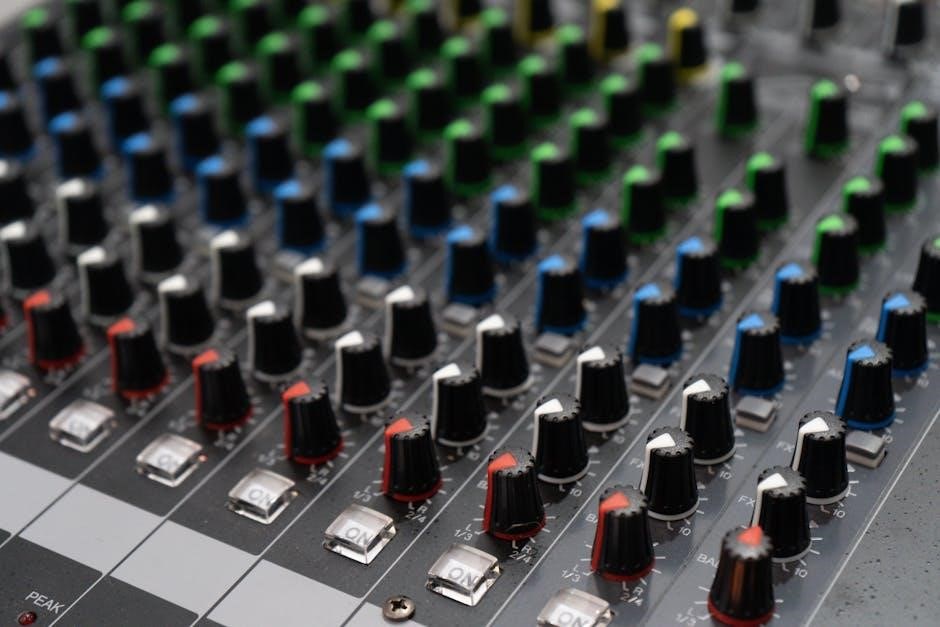
The Yamaha MG16XU is a versatile and highly regarded mixing console, popular among musicians, audio engineers, and content creators. This compact 16-channel mixer blends professional-grade sound quality with intuitive operation, making it suitable for both live performances and studio recording. It’s designed to deliver exceptional audio clarity and flexibility, offering a range of features that cater to diverse audio needs.

This mixer stands out due to its built-in effects, USB audio interface, and robust construction. The MG16XU provides a comprehensive solution for managing audio signals, offering precise control over equalization, routing, and dynamics. It’s a central hub for connecting microphones, instruments, and other audio sources, allowing you to shape and refine your sound with ease.

Understanding the capabilities of the MG16XU is crucial for maximizing its potential. This guide will walk you through every aspect of the mixer, from initial setup and connections to advanced features like aux sends, USB recording, and troubleshooting common issues. Whether you’re a seasoned professional or a beginner, this resource will empower you to harness the full power of the Yamaha MG16XU.

Understanding the MG16XU’s Key Features

The Yamaha MG16XU boasts several key features that contribute to its popularity and versatility. A standout is its integrated USB audio interface, enabling direct recording and playback with a computer, simplifying the workflow for musicians and producers. The built-in effects – reverb, delay, chorus, and more – add professional polish to live performances and recordings without needing external processors.

Each channel strip offers a 3-band EQ for precise tonal shaping, alongside aux sends for creating monitor mixes or feeding external effects units. The mixer’s robust construction ensures durability, while its compact size makes it portable and convenient for various applications. The MG16XU supports a wide range of input sources, including microphones, instruments, and line-level signals.

Furthermore, the mixer’s intuitive layout and clear labeling make it easy to navigate, even for beginners. Its phantom power supply accommodates condenser microphones, expanding its recording capabilities. These features combined make the MG16XU a powerful and flexible tool for anyone involved in audio production or live sound reinforcement.

Locating and Downloading the Official Yamaha Manual

Accessing the official Yamaha MG16XU manual is crucial for understanding its full functionality and ensuring optimal performance. Several online resources provide free PDF downloads of the manual, covering the MG20XU/MG20, MG16XU/MG16X/MG16, and MG12XU/MG12X/MG12 models. Manualzz and other document-sharing websites host the complete owner’s manual, offering convenient access.

Yamaha’s official website is also a reliable source, though navigation can sometimes be less direct. Searching for “Yamaha MG16XU manual” on Google will yield numerous links to legitimate download sources. These manuals detail everything from initial setup and connections to advanced features like USB interfacing and effects processing.

Downloading the PDF allows offline access and easy searching for specific information. It’s recommended to download the manual directly from Yamaha or a trusted source to avoid potentially corrupted or outdated files. Having the manual readily available will greatly enhance your experience with the MG16XU, enabling you to troubleshoot issues and maximize its capabilities.

MG16XU: Model Variations Covered in the Manual (MG20XU/MG20, MG16XU/MG16X/MG16, MG12XU/MG12X/MG12)

The Yamaha MG16XU manual isn’t solely dedicated to the MG16XU; it’s a comprehensive guide encompassing a range of related Yamaha mixing consoles. This includes the larger MG20XU/MG20, offering more channels and features, and the more compact MG12XU/MG12X/MG12, suitable for smaller setups.

The manual intelligently addresses variations between models. When specific features differ – such as the number of aux sends or the inclusion of certain effects – the manual clearly indicates these differences using bracketed notations, for example, “[MG16XU/MG16X/MG16]”. This ensures users of any covered model can find relevant information.

Understanding this broader scope is vital. Even if you own an MG16X, the manual provides valuable insights into the capabilities of the MG20XU and MG12XU. This unified approach streamlines support and provides a consistent learning experience across the Yamaha MG Series. The manual’s structure allows for efficient navigation, regardless of your specific console.

Initial Setup and Connections

Proper initial setup is crucial for optimal performance of your Yamaha MG16XU. Begin by carefully unpacking the mixer and inspecting for any shipping damage. Ensure you have all necessary power cables and audio leads readily available.

Connect the power cable to a grounded outlet. Before connecting any audio sources, verify the mixer’s voltage setting matches your local power supply. Next, connect your microphones, instruments, and other audio devices to the appropriate input channels. Use balanced XLR cables for microphones to minimize noise.

Connect the main outputs to your amplifier or recording interface. If utilizing monitors, connect them to the monitor outputs. Remember to power on the mixer after all connections are made. Double-check all connections before increasing the master volume to prevent potential damage to your speakers.

Channel Strip Overview: Input, EQ, and Aux Sends

Each channel strip on the MG16XU offers comprehensive control over your audio signals. The input section features an XLR jack for microphones and a ¼-inch jack for line-level instruments. Phantom power (+48V) is available for condenser microphones, activated via a dedicated switch.

The EQ section provides three-band equalization – High, Mid, and Low – allowing you to shape the tonal characteristics of each channel. Adjust these controls to enhance clarity, reduce muddiness, or add warmth. Aux sends are crucial for creating monitor mixes or routing signals to external effects processors.

The MG16XU typically offers pre-fader and post-fader aux sends. Pre-fader sends are ideal for monitor mixes, while post-fader sends are suitable for effects. Utilize the pan control to position the signal within the stereo field. Gain control adjusts the input signal level, ensuring optimal signal-to-noise ratio.

Using the MG16XU’s Built-in Effects

The MG16XU incorporates a suite of digital effects, enhancing your audio productions without requiring external processors. These effects, accessible via dedicated controls on the mixer, include reverb, delay, chorus, and flanger. The ‘FX’ section typically features a send control, determining the amount of signal sent to the effects processor.

A return control adjusts the level of the effected signal blended back into the channel. Experiment with different effect types and parameter settings to achieve desired sonic textures. The manual details specific parameters for each effect, allowing for precise customization.

Remember that excessive use of effects can muddy the mix. Subtle application often yields the most professional results. The MG16XU’s effects are designed to complement, not dominate, your audio. Explore the various presets and adjust them to suit your specific needs. Careful monitoring is key to achieving a balanced and polished sound.

Understanding the MG16XU’s USB Interface

The MG16XU features a built-in USB interface, enabling direct connection to a computer for recording and playback. This eliminates the need for an external audio interface in many scenarios. The USB connection facilitates two-way audio transmission – sending signals from the mixer to your computer and receiving audio back from your computer to the mixer.

To utilize the USB interface, you’ll typically need to install the appropriate USB driver on your computer, available for download from the Yamaha website. Once connected, the MG16XU will appear as an audio device in your computer’s recording software (DAW). The manual details the specific settings and configurations required for optimal performance.

Ensure your DAW recognizes the MG16XU as both an input and output device. Adjust the USB send and return levels on the mixer to achieve a proper signal level. This interface is class-compliant, meaning it generally works without specific drivers on many operating systems.

Recording and Playback with a Computer

Utilizing the MG16XU’s USB interface, recording and playback with a computer becomes streamlined. After installing the necessary USB driver and establishing a connection, your Digital Audio Workstation (DAW) will recognize the mixer as an audio input and output device.

For recording, select the MG16XU as the input device within your DAW. You can then record individual channels or a stereo mix directly to your computer. Adjust the channel faders and pan controls on the MG16XU to achieve the desired balance before recording. Monitor the recording levels carefully to avoid clipping or distortion.

For playback, designate the MG16XU as the output device in your DAW. Audio from your computer will then be routed through the mixer, allowing you to utilize the MG16XU’s EQ and effects during playback. Remember to adjust the USB return level for optimal volume. The manual provides detailed instructions for configuring these settings.

Setting Levels and Avoiding Distortion

Proper gain staging is crucial for achieving a clean and professional sound with the MG16XU. Begin by setting the input gain for each channel, aiming for a strong signal without clipping. Observe the channel’s peak level indicator; it should rarely, if ever, reach the red zone.

Adjust the faders to control the overall volume of each channel. Avoid pushing the faders too high, as this can introduce distortion even if the input gain is set correctly. Utilize the MG16XU’s EQ to shape the sound of each channel, but be mindful of excessive boosting, which can also lead to unwanted distortion.

Monitor the main output level using the master faders. Ensure that the output signal remains within the optimal range, avoiding clipping at the main output stage. The manual emphasizes careful level management to preserve audio quality and prevent damage to connected equipment. Consistent monitoring is key.

Auxiliary Sends and Returns: Routing Signals

The MG16XU’s auxiliary sends offer versatile signal routing options for effects processing and monitor mixes. Each channel features pre-fader and post-fader auxiliary sends, allowing you to direct signals to external effects units or create independent monitor mixes for performers.

Pre-fader sends are ideal for creating monitor mixes that remain consistent regardless of channel fader adjustments. Post-fader sends are suitable for sending signals to time-based effects like reverb and delay, ensuring the effect level tracks the channel volume.

Utilize the auxiliary returns to bring the processed signals back into the mixer. Adjust the return level to blend the effect with the original signal. The manual details how to configure these sends and returns for various applications, including creating complex signal chains and customized monitor setups. Careful routing enhances control.

The MG16XU’s Main Output Section

The main output section of the Yamaha MG16XU provides comprehensive control over the overall signal sent to your recording device or sound reinforcement system. It features XLR and TRS outputs for balanced connections, minimizing noise and ensuring signal integrity. A level meter displays the output signal strength, helping you optimize levels and avoid clipping.

The section includes a main fader for overall volume adjustment, as well as a dedicated monitor output with its own level control. This allows for independent monitoring without affecting the main output. The manual explains how to properly calibrate the output levels for optimal performance.

Furthermore, the MG16XU offers selectable output routing options, allowing you to send different signals to the main and monitor outputs. Understanding these controls is crucial for achieving a professional and balanced sound.

Troubleshooting Common Issues

The Yamaha MG16XU manual dedicates a section to resolving frequently encountered problems. Common issues include no sound, distorted audio, hum or noise, and USB connectivity problems. The manual guides users through systematic checks, starting with basic connections and power supplies.

For no sound, it advises verifying channel faders, pan controls, and the main output fader. Distortion is often caused by excessive input or output levels, requiring careful gain staging. Hum or noise can stem from ground loops or faulty cables, suggesting alternative cabling or grounding solutions.

USB connectivity issues are addressed with driver installation and computer recognition checks. The manual emphasizes the importance of using the latest Yamaha USB drivers. It also provides contact information for Yamaha support for more complex problems, ensuring users have resources for a smooth experience.

Yamaha MG16XU and YouTube Verification

While the Yamaha MG16XU manual primarily focuses on audio mixing, understanding YouTube verification is crucial for creators utilizing the mixer for content. YouTube requires account verification to unlock essential features for content creators. This process involves providing a phone number to receive a verification code via text or voice call.

Verification enables uploading videos exceeding 15 minutes, adding custom thumbnails for increased click-through rates, and initiating live streams for real-time audience engagement. Furthermore, verified accounts can appeal Content ID claims, protecting their content from unauthorized use.

The MG16XU facilitates high-quality audio for YouTube videos, but the platform’s features are gated behind verification. Accessing the YouTube Partner Program (YPP) – offering monetization and creator support – also necessitates a verified account. Therefore, verifying your YouTube channel is a vital step for any creator leveraging the MG16XU for content creation.

YouTube Channel Customization Options

Optimizing your YouTube channel’s appearance is vital for attracting viewers, even when using a high-quality mixer like the Yamaha MG16XU for audio. Customization options allow you to create a branded and engaging experience. The ‘Home’ tab is the first impression, and can be tailored to showcase your content effectively.

You can feature a channel trailer, a short video introducing your channel’s theme and content. A featured video highlights your best or most recent work. Featured sections organize content into playlists like ‘For You’ or ‘Top Community Clips’, enhancing navigation.

These options aren’t directly related to the MG16XU’s operation, but are crucial for maximizing the reach of content created with the mixer. A well-designed channel encourages viewers to explore more videos, increasing watch time and subscriber growth. Strategic customization complements the high-quality audio provided by the MG16XU, creating a professional and appealing online presence.

YouTube Partner Program (YPP) Eligibility

While the Yamaha MG16XU enhances your audio production, monetizing your content requires meeting YouTube’s Partner Program (YPP) criteria. Eligibility isn’t directly tied to the mixer itself, but crucial for creators using it to produce videos. To qualify, you must adhere to YouTube’s monetization policies and community guidelines.

Key requirements include having at least 1,000 subscribers and 4,000 valid public watch hours in the past 12 months. You also need a linked AdSense account for payments. Account verification via phone number is mandatory, enabling features like longer video uploads and custom thumbnails.

The YPP unlocks revenue sharing from ads, access to creator support, and advanced features. High-quality audio, achieved with the MG16XU, can contribute to increased watch time, aiding YPP eligibility. Meeting these criteria allows you to transform your passion for audio into a potential income stream, complementing your investment in professional equipment.

Accessing Yamaha Support and Additional Resources

Beyond the official Yamaha MG16XU manual, a wealth of support and resources are available to enhance your experience. Yamaha’s website provides a dedicated support section with FAQs, troubleshooting guides, and downloadable drivers. ManualsLib and Manualzz offer free PDF versions of the owner’s manual for convenient access.

YouTube is a valuable resource, hosting numerous tutorials and demonstrations from both Yamaha and independent users. These videos can clarify complex features and offer practical application tips. Online forums dedicated to audio engineering and music production provide platforms for asking questions and sharing knowledge.

For direct assistance, Yamaha offers customer support via phone and email. Consider exploring online communities and user groups for peer-to-peer support. Leveraging these resources ensures you can maximize the MG16XU’s potential and resolve any issues efficiently, fostering a seamless workflow.

contrato de arrendamiento sencillo para imprimir pdf

What is a Simple Rental Agreement (Contrato de Arrendamiento Sencillo)?

A simple rental agreement is a private, written accord for temporary property cession, offering legal security and clarity for both parties involved in the transaction.

Definition and Core Concept

A simple rental agreement, fundamentally, represents a legally binding agreement between two parties – the landlord (arrendador) and the tenant (arrendatario). This document details the terms under which the landlord grants the tenant temporary possession and use of a specified property. From a technical standpoint, it’s a private contract, establishing a cession of a good for a defined period.

The core concept revolves around the exchange of property use for financial compensation, typically rent. This isn’t merely a casual understanding; it’s a formal arrangement designed to protect the rights and responsibilities of both parties. A well-drafted agreement provides legal security, ensuring clarity and recourse in case of disagreements. It’s a crucial step when renting, whether it’s a house, commercial space, or rural land, establishing a framework for a smooth and legally sound tenancy.

The Agreement as a Private Contract

As a private contract, a rental agreement’s validity stems from the mutual consent of the landlord and tenant, establishing legally enforceable obligations for both. Unlike contracts dictated by public entities, this agreement is crafted directly by the involved parties, allowing for customization to suit specific needs and circumstances; However, this freedom necessitates adherence to prevailing laws, notably the Urban Leasing Law (Ley de Arrendamientos Urbanos).

The agreement’s strength lies in its written form, as oral agreements often lack the clarity and proof needed for legal recourse. A properly executed contract outlines all essential terms, minimizing potential disputes. Failing to have a comprehensive agreement can lead to losses and complications. Therefore, reaching a written pact is always obligatory, ensuring both parties are bound by its terms and subject to legal consequences for non-compliance.

Types of Rental Agreements (Tipos de Contratos de Arrendamiento)

Rental agreements vary – residential, commercial, industrial, rural, and industry-specific leases exist, each tailored to the property’s use and legal requirements.

Residential Rental Agreement (Contrato de Arrendamiento de Casa Habitación)

A residential rental agreement, or contrato de arrendamiento de casa habitación, is a legally binding document where a property owner (arrendador) grants temporary use of a dwelling to another party (arrendatario) in exchange for rent. This agreement outlines crucial details, establishing a clear understanding between both parties. It’s essential for protecting the rights and responsibilities of everyone involved.

Key components typically include a detailed property description, the rental term’s duration, the agreed-upon rent amount and payment schedule, and the security deposit stipulations. Furthermore, a well-drafted residential agreement will address essential aspects like property usage guidelines, responsibilities for utilities and expenses, and procedures for maintenance and repairs.

Having a written agreement is not merely recommended; it’s often legally required, ensuring compliance with relevant urban leasing laws. A properly executed residential rental agreement provides legal security, minimizes potential disputes, and offers a framework for resolving any issues that may arise during the tenancy.

Commercial Premises Rental Agreement (Alquiler de un Local Comercial)

A commercial premises rental agreement grants a tenant the right to utilize a space not intended for residential purposes – a shop, office, or similar business location. This alquiler de un local comercial differs significantly from residential leases, often requiring more complex clauses tailored to business operations.

Crucially, the agreement must clearly define the permitted use of the premises, ensuring it aligns with local zoning regulations. Details regarding rent, payment schedules, and security deposits are also essential, alongside provisions for common area maintenance (CAM) charges and property taxes.

Unlike residential agreements, commercial leases frequently involve longer terms and more extensive negotiations. Clauses addressing improvements, alterations, signage, and exclusive use rights are common. A well-drafted contract protects both landlord and tenant, establishing a clear framework for a successful business tenancy and minimizing potential legal disputes.

Industrial Premises Rental Agreement (Arrendamiento de Nave Industrial)

An industrial premises rental agreement, or arrendamiento de nave industrial, focuses on leasing spaces designed for manufacturing, warehousing, or distribution. These agreements are distinct from commercial or residential leases, demanding specific clauses addressing the unique needs of industrial operations.

Key considerations include the building’s structural capacity to support heavy machinery, loading dock access, and compliance with industrial safety regulations. The contract should meticulously outline permitted uses, restricting activities beyond the agreed scope. Rent calculations often differ, potentially based on square footage or a percentage of revenue.

Furthermore, responsibility for maintenance – particularly of specialized equipment – must be clearly defined. Clauses regarding hazardous materials, environmental compliance, and potential alterations are crucial. A comprehensive agreement safeguards both parties, ensuring a smooth and legally sound industrial tenancy.

Rural Property Rental Agreement (Arrendamiento Rústico o de Finca Rústica)

A rural property rental agreement, or arrendamiento rústico, governs the leasing of land typically used for agricultural or livestock purposes. Unlike urban leases, these contracts often involve specific regulations related to land use, cultivation practices, and resource management.

Crucially, the agreement must detail the permitted agricultural activities, including crop types or livestock allowed. It should also address water rights, irrigation access, and the tenant’s responsibility for maintaining the land’s fertility. Rent is frequently determined by factors like land size, productivity, and regional market rates.

Furthermore, clauses concerning improvements to the land, harvesting rights, and the handling of agricultural products are essential. A well-drafted contract protects both the landowner and the tenant, fostering a productive and legally secure agricultural partnership.

Industrial Operation Lease (Arrendamiento de Industria)

An industrial operation lease, or arrendamiento de industria, is a unique agreement where a business’s operation – not just the space – is leased. This differs from standard commercial leases, focusing on the transfer of a functioning business, including its equipment, goodwill, and client base.

The contract meticulously outlines the scope of the transferred operation, detailing specific machinery, processes, and intellectual property included. Rent isn’t solely based on space but also considers the value of the business being leased. Responsibilities for maintenance, repairs, and operational costs are clearly defined.

Crucially, the agreement addresses the transfer of permits, licenses, and any existing contracts associated with the business. A robust contract safeguards both parties, ensuring a smooth transition and minimizing potential disputes regarding operational control and liabilities.

Key Elements of a Simple Rental Agreement

Essential components include identifying landlord and tenant, a detailed property description, the lease duration, rent amount, payment terms, and a specified security deposit.

Parties Involved: Landlord (Arrendador) and Tenant (Arrendatario)

The foundation of any rental agreement rests upon clearly defining the Arrendador (Landlord) and the Arrendatario (Tenant). The Landlord is the property owner, granting temporary usage rights. Full legal names, identification details (like ID numbers or passport information), and contact information for both parties must be meticulously recorded within the agreement.

This precise identification is crucial for legal enforceability and communication throughout the rental period. The agreement should explicitly state the Landlord’s authority to lease the property and the Tenant’s capacity to enter into a binding contract. Any authorized representatives acting on behalf of either party should also be clearly identified, along with the scope of their authority. Accurate party identification minimizes potential disputes and ensures accountability for fulfilling contractual obligations. Without this clarity, the agreement’s validity could be challenged.

Property Description (Descripción de la Propiedad)

A comprehensive and accurate property description is paramount within the rental agreement; This extends beyond simply stating the address; it requires detailing specific characteristics. Include the property type (house, apartment, commercial space, etc.), its size (square footage or meters), and a clear identification of any included features – such as parking spaces, storage areas, or appliances.

Furthermore, any limitations on property use should be explicitly stated here. A detailed description minimizes ambiguity and potential disputes regarding the leased premises. Consider including a reference to a property map or attaching a detailed inventory list of included items. This level of specificity protects both the Landlord and Tenant, ensuring a shared understanding of the property’s condition and scope of the rental agreement. Accurate details are vital for legal clarity.

Rental Term (Duración del Contrato)

Clearly defining the rental term is crucial for a legally sound agreement. This section specifies the start and end dates of the lease, establishing the duration of the tenant’s occupancy. It should explicitly state whether the lease is a fixed-term lease (e.g., one year) or a periodic tenancy (e.g., month-to-month).

Details regarding renewal options, if any, must also be included. Specify the process for renewal, any associated changes to rent, and the required notice period. Furthermore, outline any penalties for early termination by either party. A well-defined rental term provides certainty and prevents misunderstandings regarding the lease’s longevity. Precise dates and conditions protect both landlord and tenant, ensuring a transparent and enforceable agreement.

Rent Amount and Payment Schedule (Renta y Forma de Pago)

This section meticulously details the financial obligations of the tenant. It must state the exact rent amount, specifying the currency. Crucially, it outlines the payment schedule – whether rent is due weekly, bi-weekly, or monthly – and the accepted methods of payment (e.g., bank transfer, check, online payment).

Include information regarding late payment penalties, such as grace periods and associated fees. Clearly define what constitutes a default in payment. Address potential rent increases, specifying any limitations or conditions. A comprehensive rent and payment schedule minimizes disputes and ensures timely financial transactions, fostering a positive landlord-tenant relationship. Transparency in these financial terms is paramount for a legally sound and easily understood rental agreement.

Security Deposit (Fianza)

The security deposit clause is a critical component of the rental agreement, protecting the landlord against potential damages or unpaid rent. This section must clearly state the deposit amount, adhering to any legal limitations imposed by local regulations. Detail the permissible uses of the deposit, such as covering repair costs beyond normal wear and tear, or outstanding rent.

Outline the process for returning the deposit to the tenant upon lease termination, including the timeframe and conditions for deductions. Specify the required documentation, like a move-out inspection report. A well-defined security deposit clause minimizes disputes and ensures a fair and transparent process for both parties, bolstering the legal integrity of the rental agreement.

Legal Considerations and Importance

A well-drafted agreement provides legal security, clarity, and protection against disagreements; failing to do so could lead to financial losses for all involved.

Legal Security and Clarity

Establishing a clear and comprehensive rental agreement is paramount for safeguarding the rights and responsibilities of both the landlord and the tenant. When a contract is meticulously drafted, it functions as a robust legal document, offering a significant degree of security and minimizing the potential for future disputes. This clarity extends to defining the terms of the lease, including the rental period, payment schedules, and the specific obligations of each party regarding property maintenance and repairs.

A written agreement, as opposed to a verbal one, provides concrete evidence of the agreed-upon terms, which is invaluable should legal recourse become necessary. It ensures that both parties are fully aware of their commitments and reduces the likelihood of misunderstandings. Furthermore, adherence to the Urban Leasing Law (Ley de Arrendamientos Urbanos) is crucial, as it provides a legal framework for rental agreements and protects the interests of both landlords and tenants. Ignoring these legal considerations can expose both parties to unnecessary risks and potential financial liabilities.

Written Agreement Obligation

When renting a property, achieving a written agreement between the landlord and tenant is not merely recommended—it’s legally obligatory. This written pact compels both parties to uphold their commitments and opens them to potential penalties for non-compliance. A verbal agreement, while seemingly convenient, lacks the evidentiary strength needed to resolve disputes effectively. The written contract serves as definitive proof of the agreed-upon terms, protecting both sides from potential misunderstandings or misinterpretations.

This obligation stems from the need for legal certainty and transparency in rental transactions. A properly documented agreement outlines the rights and responsibilities of each party, ensuring a clear understanding of the rental arrangement. Failure to adhere to this requirement can render the agreement unenforceable, leaving both the landlord and tenant vulnerable. Therefore, securing a comprehensive, written rental agreement is a fundamental step in establishing a legally sound and mutually beneficial landlord-tenant relationship.

Compliance with Urban Leasing Law (Ley de Arrendamientos Urbanos)

Any simple rental agreement must rigorously adhere to the stipulations outlined in the Urban Leasing Law. This legislation governs the rights and obligations of landlords and tenants, establishing a legal framework for rental relationships. Ignoring these regulations can invalidate clauses within the agreement or even render the entire contract unenforceable, exposing both parties to legal repercussions. Key aspects covered by the law include rent control, security deposit limits, and eviction procedures.

Ensuring compliance necessitates a thorough understanding of the current Urban Leasing Law, or seeking guidance from a legal professional. The law aims to balance the interests of both landlords and tenants, promoting fairness and preventing abusive practices. A well-drafted rental agreement, aligned with the law, provides a solid foundation for a secure and legally sound tenancy, minimizing the risk of future disputes and legal challenges.

Essential Clauses to Include

Crucial clauses encompass property use, expense allocation, maintenance responsibilities, termination conditions, and guarantees, ensuring clarity and legal protection for all involved parties.

Use of the Property (Uso de la Propiedad)

Defining the property’s permitted use is paramount within the rental agreement. This clause explicitly states whether the premises are designated for residential, commercial, or industrial purposes. Specifying the intended use prevents misunderstandings and potential breaches of contract. For instance, a residential agreement should clearly state it’s for dwelling purposes only, prohibiting commercial activities.

Conversely, a commercial lease will detail the specific type of business allowed to operate. Restrictions on activities that could cause damage, create nuisances, or violate local ordinances should also be included.

Furthermore, outlining any limitations on alterations or modifications to the property is vital. The tenant’s ability to make changes, even minor ones, should be clearly defined, often requiring prior written consent from the landlord. A well-defined ‘use of property’ clause safeguards both parties’ interests and ensures compliance with relevant regulations.

Expenses and Utilities (Gastos y Suministros)

A clear delineation of expense and utility responsibilities is crucial in a rental agreement. This section specifies which party – landlord or tenant – is responsible for costs like water, electricity, gas, internet, and property taxes. Typically, tenants cover utilities consumed during their occupancy, while landlords maintain responsibility for property taxes and structural repairs.

The agreement should detail how these expenses are paid – directly by the tenant, or reimbursed to the landlord.

Furthermore, clarify responsibility for common area maintenance (CAM) charges in commercial leases. Specifying the method for calculating and allocating these costs prevents disputes. A comprehensive clause ensures transparency and avoids unexpected financial burdens for either party, fostering a harmonious landlord-tenant relationship and preventing potential legal issues.

Maintenance and Repairs (Mantenimiento y Reparaciones)

A well-defined maintenance and repair clause is vital for a smooth landlord-tenant relationship. This section outlines responsibilities for property upkeep. Generally, landlords are responsible for structural repairs – roof, plumbing, electrical systems – ensuring the property remains habitable. Tenants typically handle minor repairs resulting from their negligence or daily use.

The agreement should specify procedures for reporting maintenance issues and timelines for repairs.

Clearly stating who bears the cost of repairs – landlord or tenant – prevents disputes. It’s prudent to include a clause addressing emergency repairs, allowing landlords access to the property for urgent issues. A detailed clause protects both parties, ensuring the property is well-maintained and avoids costly delays or legal conflicts.

Termination Conditions (Condiciones de Rescisión)

Clearly defined termination conditions are crucial for a legally sound rental agreement. This section details how and when either party can end the lease. Typically, a notice period – often 30 or 60 days – is required for termination by either the landlord or tenant. The agreement should specify acceptable reasons for termination, such as lease violations or sale of the property.

It’s essential to outline penalties for early termination, protecting both parties from financial loss.

The clause should also address scenarios like abandonment of the property by the tenant. A comprehensive termination clause minimizes disputes and ensures a fair process for ending the rental agreement, adhering to legal requirements.

Guarantees (Garantías)

Guarantees within a rental agreement provide security for the landlord against potential tenant defaults. The most common guarantee is a security deposit (fianza), held to cover damages beyond normal wear and tear, or unpaid rent. The agreement must clearly state the deposit amount, where it will be held, and the conditions for its return.

Additional guarantees might include a bank guarantee or a personal guarantor, offering further financial protection.

It’s vital to specify the process for claiming against the deposit, including itemized deductions and a timeframe for return. Properly outlining guarantees fosters trust and protects the landlord’s investment, while also defining the tenant’s responsibilities.

PDF Format and Printability

PDFs ensure consistent formatting, making rental agreements easily printable and accessible, offering a print-friendly design for convenient distribution and legal record-keeping.

Benefits of PDF Format

Utilizing the PDF (Portable Document Format) for a simple rental agreement offers numerous advantages, primarily centered around document preservation and universal accessibility. PDFs maintain the original formatting across different devices and operating systems, ensuring the agreement appears as intended, regardless of who views it. This consistency is crucial for legal documents.

Furthermore, PDFs are highly secure and can be password-protected, restricting unauthorized access or modifications. They are also relatively compact in file size, facilitating easy email transmission and storage. The format’s inherent print-friendliness ensures clear, legible copies can be produced without formatting distortions.

Crucially, PDFs are widely supported and don’t require specialized software to open – almost every computer and smartphone can readily view them. This broad compatibility simplifies distribution and ensures both landlord and tenant can easily access and retain a copy of the signed agreement. This accessibility is paramount for a legally sound rental process.

Print-Friendly Design

A well-designed rental agreement PDF prioritizes printability, ensuring a clear and professional document when physically copied. This involves utilizing standard fonts that render sharply on paper, avoiding overly complex layouts that might become cluttered during printing, and employing sufficient margins to prevent text from being cut off.

Effective use of whitespace is also key, enhancing readability and preventing the page from appearing dense or overwhelming. Consideration should be given to grayscale compatibility, as many printers don’t support color. A print-friendly PDF avoids relying heavily on color for essential information.

Furthermore, the document should be optimized for standard paper sizes (like A4 or Letter) and orientations. Including clear section headings and a logical flow aids in quick reference and comprehension when reviewing a printed copy. A thoughtfully designed PDF simplifies both digital access and physical record-keeping.

Accessibility and Distribution

PDF format enhances accessibility, allowing easy viewing on various devices without requiring specialized software. This broad compatibility simplifies distribution to landlords and tenants alike, regardless of their operating systems or technological proficiency. A PDF can be readily emailed, shared via cloud storage, or downloaded from websites, ensuring convenient access for all parties involved.

Moreover, PDFs support features like digital signatures, streamlining the agreement process and reducing the need for physical paperwork. They also maintain document integrity, preventing unauthorized alterations. The portability of PDFs makes them ideal for both local storage and remote access.

Creating a printable PDF facilitates easy record-keeping, allowing both parties to maintain a physical copy for their reference. This combination of digital convenience and physical security makes the PDF format a superior choice for rental agreements.

Where to Find Printable Templates

Online legal resources, government websites, and legal professionals offer printable templates for simple rental agreements, ensuring accessibility and legal compliance for users.

Online Legal Resource Websites

Numerous websites specialize in providing legal document templates, including simple rental agreements in PDF format. These platforms often offer a variety of templates tailored to different needs and jurisdictions, allowing users to quickly find a suitable document.

Many sites offer both free and premium templates, with premium options typically providing more comprehensive clauses and customization features. When selecting a template, it’s crucial to ensure it aligns with the specific laws of your region, particularly the Urban Leasing Law.

Reputable websites usually include clear instructions and guidance on how to complete and customize the agreement. Some even offer legal review services for an additional fee, providing peace of mind. Always download templates from trusted sources to avoid potentially invalid or outdated documents.

Examples of such resources include LawDepot, Rocket Lawyer, and LegalZoom, though availability and specific offerings may vary.

Government Resources

While comprehensive, ready-to-print simple rental agreement templates directly from governmental sources can be limited, many governments offer valuable information and guidance regarding leasing regulations. These resources often include sample clauses and explanations of legal requirements, aiding in the creation of a compliant agreement.

National or regional housing authorities frequently publish guides on tenant and landlord rights, outlining essential elements that must be included in any rental contract. These guides can serve as a checklist when reviewing or customizing a downloaded template.

Some governmental websites may link to approved or recommended template providers, ensuring a degree of legal validity. It’s important to verify that any information obtained from government sources is current and applicable to your specific location and rental situation.

Searching official government portals related to housing or legal affairs is a good starting point for finding relevant resources.

Legal Professional Assistance

Engaging a legal professional – a lawyer specializing in real estate or tenancy law – provides the most secure path to a legally sound rental agreement. While printable PDF templates offer convenience, they may not fully address the nuances of your specific situation or local regulations.

A lawyer can tailor a contract to your precise needs, ensuring it complies with the latest urban leasing laws and protects your interests as either a landlord or tenant. They can also review existing templates, identifying potential loopholes or areas of concern.

Professional assistance is particularly valuable for complex rental scenarios, such as those involving commercial properties, industrial spaces, or unique lease terms.

Although it involves a cost, the investment in legal counsel can prevent costly disputes and legal battles down the line, offering peace of mind and robust protection.

Powered by WordPress & Theme by Anders Norén